 Fate
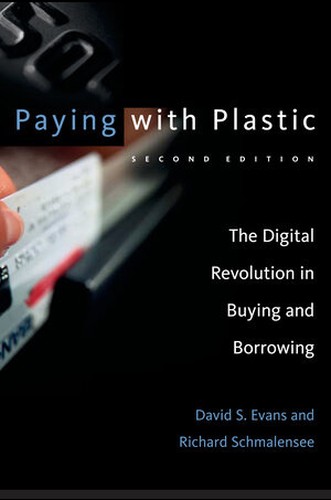
About the book
First published in 1999, this is a deep, focused study of the payment card industry. It runs from the 1950 Diners card to Visa, Mastercard, Amex, and Discover.
Its two analytic pillars are two-sided markets and co-opetition. Card networks balance issuers and merchants, share a platform, and still compete.
Why it matters to me
It pairs well with The Pay Off: that book is broad, this one goes deep on cards. In the West, cards are the backbone of payments.
Everyday questions get answered here: debit versus credit, how much I actually pay to pay, and what Visa really is.
It is less beginner-friendly: some parts are dense. With a little background in payments first, it takes you one level deeper.
The industry direction I took away: cash fades, payments go invisible, and intermediaries shrink. Crypto may be the best tool to push that trend.
Lines from the book
“Money is nothing but guaranteed numbers recorded on worthless paper or metal. It will become guaranteed data, arranged in electrons and photons, moving around the world at light speed.”“Money is not free for society, because it consumes resources.”“Credit transactions appeared earlier than primitive money.”“Members compete in almost every other respect — rates, fees, services, and innovation. This is called co-opetition.”“For most people, their greatest asset is themselves — their ability to work and to earn.”