 Fate
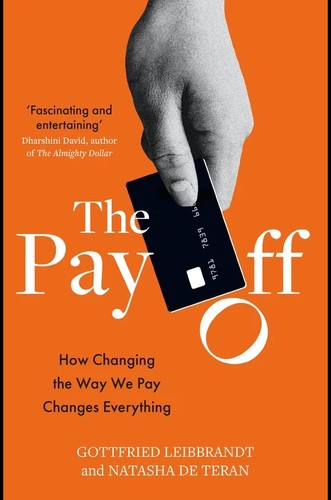
About the book
Two payment insiders explain how payments really work: where money came from, and how cards and SWIFT move it. They also show who pays for every step.
The story runs from London clearing houses to India's UPI, from the four-party card model to sanctions and digital currencies.
Why it matters to me
I came to it as a complete outsider who works on payment-related products. It exceeded expectations: clear, fun, and dense with facts. I highlighted nearly every page.
Payments concern everyone, yet almost nobody understands them. We rarely know what each transaction costs, or how much banks earn from it.
As a product person, the key lesson stuck: people do not want to pay. A great payment is invisible—the best payment is no payment at all.
If I had read it earlier, it would have given me a framework for this world much sooner. For a first book on payments, this is the one.
Lines from the book
“The ultimate purpose of money is to use it — to pay.”“The greatest honour a payment system can aspire to is to be forgotten.”“Credit card costs are paid by cardholders, yet we believe we are not paying.”“People do not want to make payments. They want paying to be more convenient.”“The core of payments and money is trust — or rather, a lack of trust in each other. We do not trust each other, but we trust the system.”